- Knee Anatomy
- Knee Conditions
- Knee Procedures
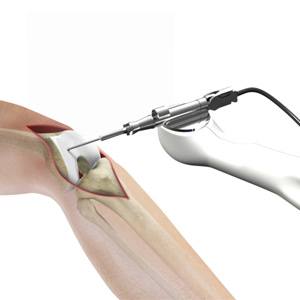
Robotic Assisted Knee Replacement
Robotic assisted knee replacement is a surgical procedure in which robotic technology assists the surgeon in performing a total or partial knee replacement with greater precision. The robotic system allows for detailed preoperative planning and accurate implant positioning based on the patient’s unique knee anatomy, which may improve joint function and implant longevity.
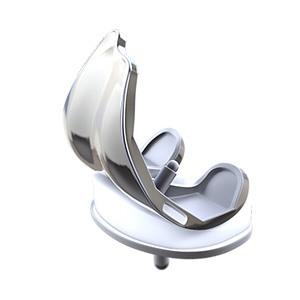
Total Knee Replacement
Total knee replacement is a surgical procedure in which the damaged cartilage and bone of the knee joint are removed and replaced with artificial components made of metal and plastic. The artificial joint surfaces help restore smooth knee movement, correct deformity, and relieve pain caused by arthritis or joint damage.
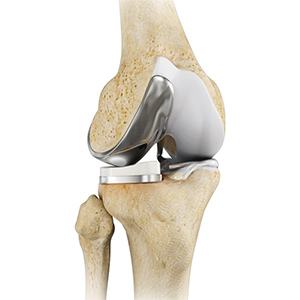
Unicompartmental / Partial Knee Replacement
Partial knee replacement, also known as unicompartmental knee replacement, is a surgical procedure in which only the damaged portion of the knee joint is replaced with artificial components. The healthy cartilage, bone, and ligaments in the rest of the knee are preserved, allowing for more natural knee movement compared to total knee replacement.
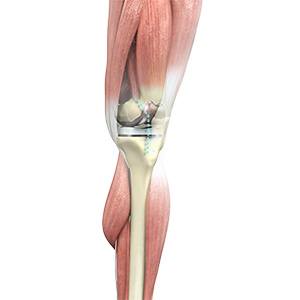
Outpatient Total Knee Replacement
Outpatient knee replacement is a knee replacement procedure performed in a surgical center or hospital where the patient goes home the same day instead of staying overnight. Advances in surgical techniques, anesthesia, and pain management have made same-day knee replacement a safe and effective option for many patients.
Revision Knee Replacement
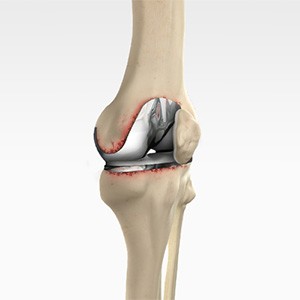
Revision knee replacement is a surgical procedure performed to repair or replace a previously implanted knee replacement that has failed or developed complications. This may involve replacing part or all of the original knee implant. Revision surgery is usually more complex than primary knee replacement due to scar tissue, bone loss, and changes in the joint from the previous surgery.
Minimally Invasive Knee Joint Replacement
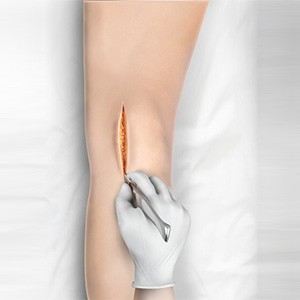
Total knee replacement is a very successful surgical treatment for knee arthritis. Over the years, minimally invasive knee replacement surgical techniques have been developed to lessen tissue trauma and improve patient outcomes. This minimally invasive approach involves much smaller incisions than the usual 10-12 inch incisions used in the traditional knee replacement and spares the quadriceps muscle and tendon, which control bending of the knee, from being cut to access the knee joint.
Robotic Unicondylar Knee Replacement
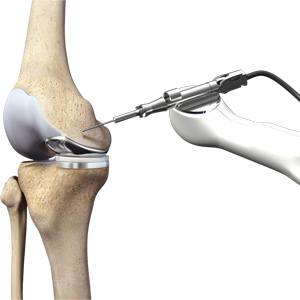
A unicondylar knee replacement is a procedure to replace part of the knee joint with a prosthetic implant to relieve pain and improve the function of the joint. Advances in technology have allowed this procedure to be performed in a minimally invasive manner with robotic assistance.
Robotic-Assisted Revision Knee Replacement
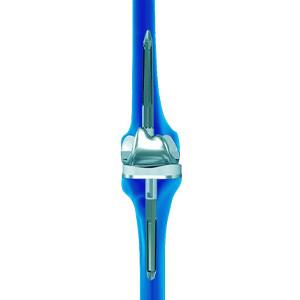
Robotic-assisted revision knee replacement is an advanced surgical procedure used to replace or repair a previously implanted knee prosthesis that has failed or worn out. This procedure utilizes robotic technology to enhance precision, improve implant alignment, and optimize soft tissue balance, leading to better functional outcomes and longevity of the revised knee joint.

Same Day Total Knee Replacement
Total knee replacement is the surgical treatment for knee arthritis, where the damaged knee is removed and replaced with an artificial knee implant. Traditionally, the procedure required a postoperative hospital stay of several days, but with recent advances such as improved perioperative anesthesia, minimally invasive techniques, and initiation of rehabilitation protocols soon after surgery, you may be allowed to go home on the same day as the surgery.

Outpatient Unicondylar Knee Replacement
A unicondylar knee replacement, also known as unicompartmental or partial knee replacement, is a procedure to replace a portion of the damaged knee joint with a prosthetic implant to relieve pain and improve function of the knee joint. Traditionally performed as an inpatient procedure, advances in technology have allowed this procedure to be performed in a minimally invasive manner on an outpatient basis allowing patients to go home the same day of the surgery
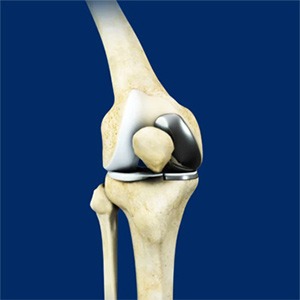
Unicondylar knee Replacement
Unicompartmental knee replacement or unicondylar knee replacement is a minimally invasive surgery in which only the damaged compartment of the knee is replaced with an implant. It is also called a partial knee replacement. The knee can be divided into three compartments: patellofemoral, the compartment in front of the knee between the knee cap and thigh bone, medial compartment, on the inside portion of the knee, and lateral compartment which is the area on the outside portion of the knee joint.
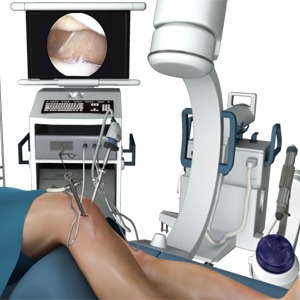
Knee Arthroscopy
Knee arthroscopy is a common surgical procedure performed using an arthroscope, a viewing instrument, to diagnose or treat a knee problem. It is a relatively safe procedure and you will usually be discharged from the hospital on the same day of surgery.
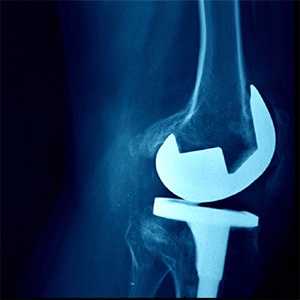
Primary Knee Replacement
Primary knee replacement, also referred to as primary total knee arthroplasty, is a surgical procedure in which the worn out or damaged parts of the knee joint are removed and replaced with artificial knee joints called prostheses or implants. Artificial knee joints are usually made of metal, plastic, or ceramic and consist of the femoral and the tibial components. The main objective of the procedure is to relieve knee pain and restore normal range of motion and function to the knee joint when conservative treatment, such as medications, injections, and physical therapy have failed to provide desired results.
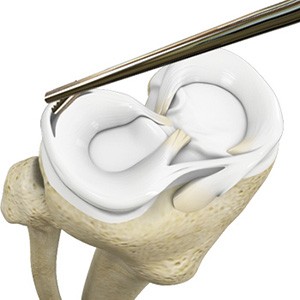
Meniscectomy
Meniscectomy is a surgical procedure indicated in individuals with torn meniscus where the conservative treatments are a failure to relieve the pain and other symptoms. Meniscectomy is recommended based on the ability of meniscus to heal, patient’s age, health status, and activity level.
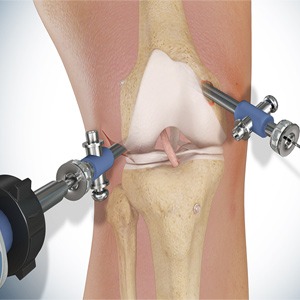
Knee Surgery
Knee surgery is a surgical procedure for the treatment of a knee injury or condition. The procedure involves repairing diseased or damaged structures of the knee joint in order to eliminate pain and restore normal function.
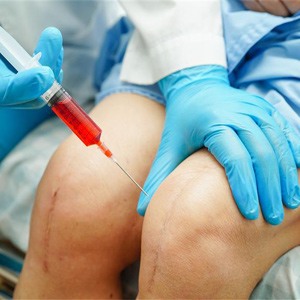
Knee Osteoarthritis Treatment
Knee osteoarthritis (OA) treatment refers to the various approaches involved in the treatment of the degenerative joint condition called osteoarthritis. The knee joints are lined by soft articular cartilage that cushion the joints and aid in smooth movement of the joint bones. Knee OA occurs when the cartilage in the knee joint wears down over time, leading to pain, stiffness, swelling, and decreased function. Knee osteoarthritis treatment aims to relieve these symptoms, improve mobility, slow the progression of the degenerative condition, and maintain knee function as much as possible.
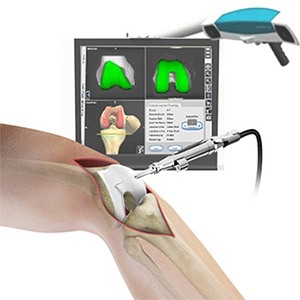
Computer Navigation for Total Knee Replacement
Computer navigation provides your surgeon with real-time 3-D images of your mapped knee and the surgical instruments during surgery. The data for the images is provided by infrared sensors fixed to the bones of the knee and surgical instruments. Their position is tracked by an infrared camera placed above the surgical table, which is connected to a computer. The computer then generates real-time images with the help of the appropriate software to guide your surgeon to precisely resurface and cut the bones of the knee, and fix the implant precisely and accurately according to the preoperative surgical plan.
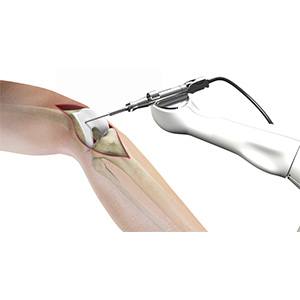
Robotic Assisted Partial Knee Surgery
Robotic-assisted partial knee surgery is an innovative alternative to the conventional surgical procedure to treat degenerative knee diseases such as osteoarthritis. It is performed using robotic-arm technology that allows your surgeon to precisely perform the surgery through small incisions.

Nonsurgical Knee Treatments
The knee is a complex joint that consists of bone, cartilage, ligaments, and tendons that make joint movements easy and at the same time it is more susceptible to various kinds of injuries. Knee problems may arise if any of these structures get injured by overuse or suddenly during sports activities. Injuries to the knee can be caused by degenerative diseases such as arthritis, traumatic injuries, and sports injuries. These conditions may affect the bones & joints and impair the mobility as well as the quality of life of the patients. All these conditions require appropriate treatment, may be surgical or non-surgical to restore to normal activities.
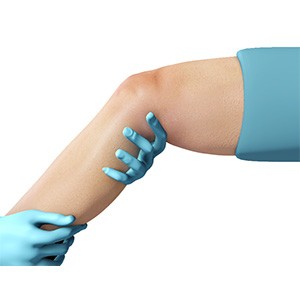
Physical Therapy for Knee
Physical therapy is an exercise program that helps you to improve movement, relieve pain, encourage blood flow for faster healing, and restore your physical function and fitness level. It can be prescribed as an individual treatment program or combined with other treatments. It involves a combination of education, manual therapy, exercises and techniques such as water, heat, cold, electrical stimulation and ultrasound.