- Knee Anatomy
- Knee Conditions
- Knee Procedures
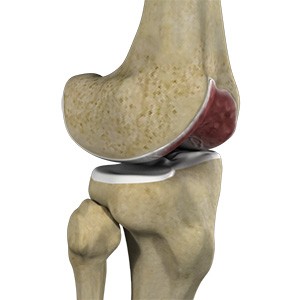
Knee Arthritis
The joint surface is covered by a smooth articular surface that allows pain-free movement in the joint. Arthritis is a general term covering numerous conditions where the joint surface or cartilage wears out. This surface can wear out for several reasons; often the definite cause is not known. Arthritis often affects the knee joint. When the articular cartilage wears out, the bone ends rub on one another and cause pain. The most common type of arthritis is osteoarthritis. It occurs with aging and use.
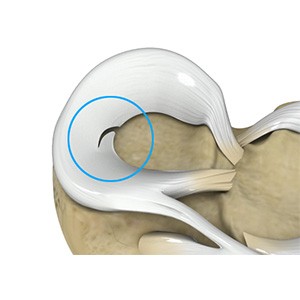
Meniscal Tears
A meniscal tear is a common knee injury in athletes, especially those involved in contact sports. A sudden bend or twist in your knee causes the meniscus to tear. Elderly people are more prone to degenerative meniscal tears as the cartilage wears out and weakens with age.
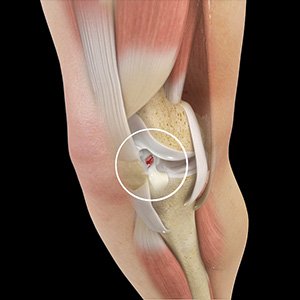
ACL Tears
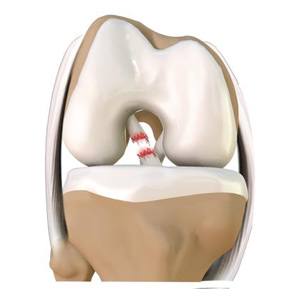
The anterior cruciate ligament (ACL) is one of the major ligaments of the knee. It is located in the middle of the knee and runs from the femur (thighbone) to the tibia (shinbone). The ACL prevents the tibia from sliding out in front of the femur. Together with the posterior cruciate ligament (PCL), it provides rotational stability to the knee.
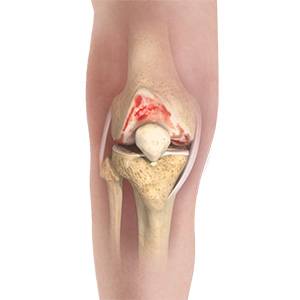
Knee Osteoarthritis
Knee osteoarthritis (OA) is a degenerative joint disease that occurs when the cartilage in the knee joint gradually wears away. Cartilage is a smooth, slippery tissue that cushions the ends of bones and helps the joint move smoothly. As it deteriorates, the bones may begin to rub against each other, leading to pain, swelling, stiffness, and reduced mobility. Knee osteoarthritis primarily affects older adults but can occur in younger individuals as well.
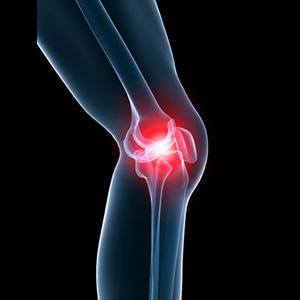
Knee Pain
Knee pain is a common condition affecting individuals of various age groups. It not only affects movement but also impacts your quality of life. An injury or disease of the knee joint or any structure surrounding the knee can result in knee pain. A precise diagnosis of the underlying cause is important to develop an appropriate treatment plan.
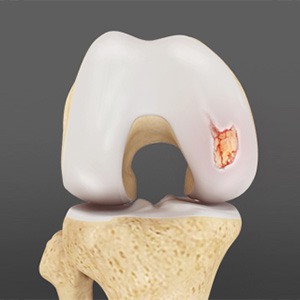
Articular Cartilage Injury (Knee)
Articular or hyaline cartilage is the tissue lining the surface of the two bones in the knee joint. Cartilage helps the bones move smoothly against each other and can withstand the weight of the body during activities such as running and jumping. Articular cartilage does not have a direct blood supply to it so has little capacity to repair itself. Once the cartilage is torn it will not heal easily and can lead to degeneration of the articular surface, leading to the development of osteoarthritis.
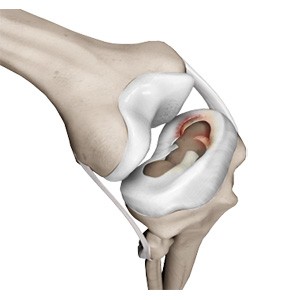
Meniscal Injuries
Meniscal tears are one of the most common injuries to the knee joint. It can occur at any age but are more common in athletes involved in contact sports. The meniscus has no direct blood supply and for that reason, when there is an injury to the meniscus, healing is difficult.
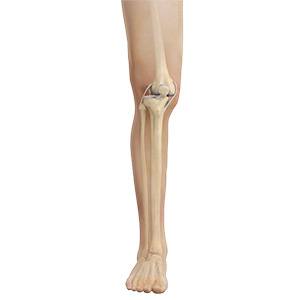
Knee Dislocation
Knee dislocation is a condition that occurs when the bones that form the knee joint, namely the femur or thigh bone get separated from the shin bone. This can cause serious damage to the nerves, blood vessels, and ligaments surrounding the knee, leading to a decline in strength and overall health of the leg.
Knee Trauma
The knee is a complex joint made up of bones (femur, tibia, patella), ligaments, tendons, cartilage (menisci), and muscles. Knee trauma refers to any injury or damage sustained by the structures of the knee joint due to a sudden force, accident, fall, or direct impact.
Chondromalacia Patella
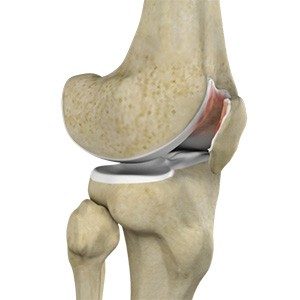
Chondromalacia patella is a common condition characterized by softening, weakening and damage of the cartilage. The condition is most often seen in young athletes and older adults who have arthritis of the knee. It especially occurs in women.
Knee Fracture
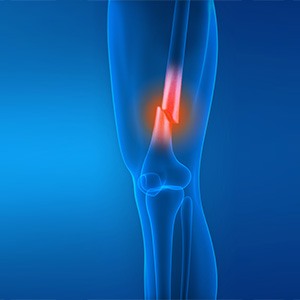
A fracture is a condition in which there is a break in the continuity of the bone. In younger individuals, these fractures are caused by high energy injuries, as from a motor vehicle accident. In older people, the most common cause is a weak and fragile bone.
Knee Injury
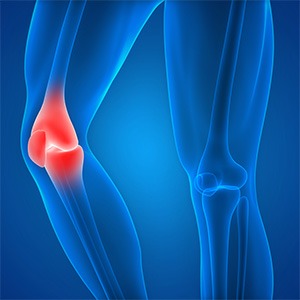
Trauma to the knee can injure one or more tissues of the knee joint, such as ligaments, tendons, cartilage, bones, and muscles. These injuries can result from a fall, a forceful twisting motion, or a high-impact event like a motor vehicle accident. Common knee injuries include fractures, dislocations, tears, and sprains. An injury or disease of the knee joint or any structure surrounding the knee can result in knee pain. A precise diagnosis of the underlying cause is important to develop an appropriate treatment plan.
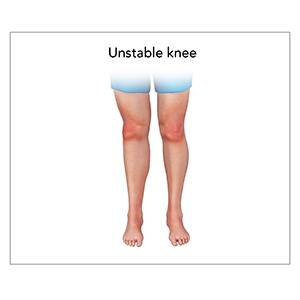
Unstable Knee
Damage to any of these supportive structures causes instability of the knee joint. An unstable knee can be caused by the sudden twisting of the knee, tears of the meniscus, ligament or capsule, osteoarthritis of the knee (wear and tear of the cushioning cartilage tissue between the bones) and sports injuries. When these tissues get injured, the patella or kneecap can move out of its groove in the knee joint and lead to instability.
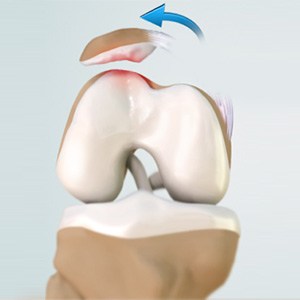
Patellar Dislocation / Patellofemoral Dislocation
Patellar dislocation occurs when the patella moves out of the patellofemoral groove, (trochlea) onto the bony head of the femur. If the kneecap partially comes out of the groove, it is called subluxation; if the kneecap completely comes out, it is called dislocation (luxation).
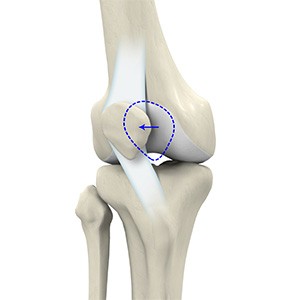
Patellar Instability
Any damage to the supporting ligaments may cause the patella to slip out of the groove either partially (subluxation) or completely (dislocation). This misalignment can damage the underlying soft structures such as muscles and ligaments that hold the kneecap in place. Once damaged, these soft structures are unable to keep the patella (kneecap) in position. Repeated subluxation or dislocation makes the knee unstable. This condition is called knee instability. Patellar (kneecap) instability results from one or more complete or partial dislocations (subluxations).
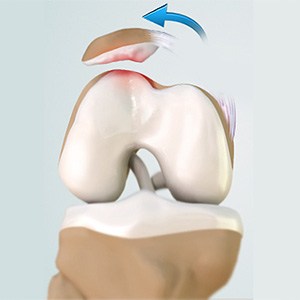
Patellofemoral Instability
Patellofemoral instability means that the patella (kneecap) moves out of its normal pattern of alignment. This malalignment can damage the underlying soft structures such as muscles and ligaments that hold the knee in place.
Recurrent Patella Dislocation
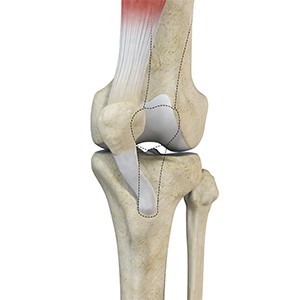
The patella (kneecap) is a small bone that shields your knee joint. It is present in front of your knee, on a groove called the trochlear groove that sits at the junction of the femur (thighbone) and tibia (shinbone). Articular cartilage presents below the patella and end of the femur cushion and helps the bones glide smoothly over each other when the legs move. This joint is stabilized and supported by a network of soft tissues. The medial patellofemoral ligament (MPFL) connects to the inner side of the patella and helps to keep it from slipping away from the knee. Damage to this ligament leads to patellar dislocation.
Degenerative Meniscal Tears
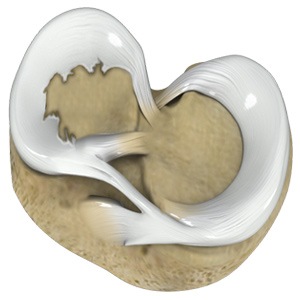
Meniscal tears are one of the most common injuries to the knee joint. Based on their presentation, meniscal tears are classified as traumatic or non-traumatic (degenerative). Traumatic tears usually occur in younger, active individuals
Anterior Knee Pain
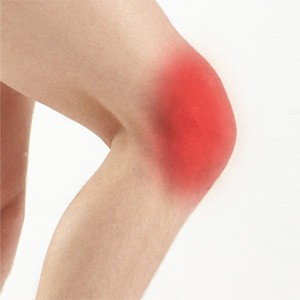
Anterior knee pain is characterized by chronic pain over the front and center of the knee joint. It is common in athletes, active adolescents (especially girls) and overweight individuals. Anterior knee pain refers to various conditions, which include runner's knee or patellar tendinitis, and chondromalacia of the patella. There is an inter-individual variation in the duration and presentation of pain.