- Hip Anatomy
- Hip Conditions
- Hip Procedures
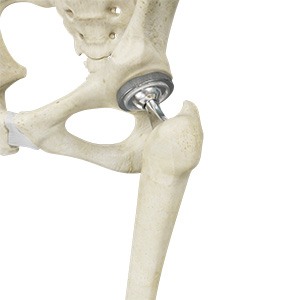
Total Hip Replacement
Total hip replacement is a surgical procedure in which the damaged cartilage and bone are removed from the hip joint and replaced with artificial components. The main indication for total hip replacement is arthritis.
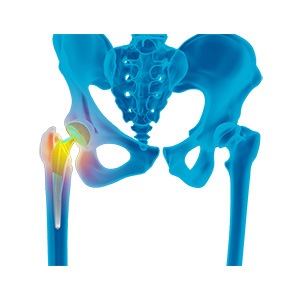
Revision Hip Replacement
Revision hip replacement is a surgical procedure performed to repair or replace a previously implanted hip replacement that has failed or developed complications. This may involve replacing part or all of the original implant. Revision surgery is typically more complex than primary hip replacement because of scar tissue, bone loss, and changes in the joint from the previous surgery.
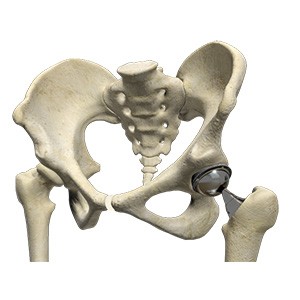
Outpatient Hip Replacement
Outpatient hip replacement is a total hip replacement procedure performed in a surgical center or hospital where the patient goes home on the same day of surgery instead of staying overnight. Advances in surgical techniques, anesthesia, and pain management have made same-day hip replacement a safe and effective option for many patients.
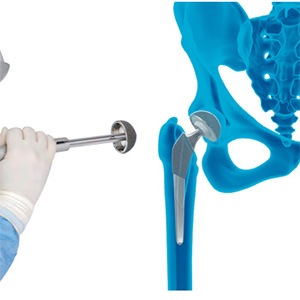
Robotic Total Hip Replacement
Total hip replacement is a surgical technique where the severely damaged cartilage and bone of the hip joint are removed and substituted with an artificial prosthesis which is bio-compatible and functions like a normal hip. It is one of the most common joint replacement procedures, subsequent to knee replacements. The main aim of this surgery is to restore function to the joint and relieve pain.

Inpatient Hip Replacement
Inpatient hip replacement surgery refers to a hip replacement or hip arthroplasty surgery where the patient stays in the hospital for at least one or more nights post-surgery. The procedure typically involves replacing the damaged or diseased parts of the hip joint with prosthetic components to alleviate pain and improve mobility. Inpatient hip replacement is typically performed on patients who have more complex cases, underlying health conditions, or a need for extended monitoring during recovery.
Same Day Hip Replacement
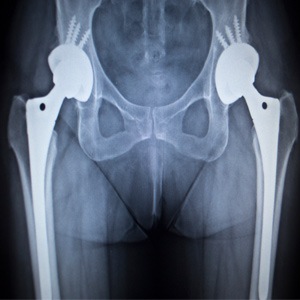
Hip replacement surgery is one of the most common orthopedic surgeries performed. It involves the replacement of the damaged hip bone (ball-shaped upper end of the femur) with a ceramic ball attached to a metal stem that is fixed into the femur and placing a new cup with a special liner in the pelvis. Traditionally, the surgery was performed with a large, open incision and required the patient to stay in the hospital for several days. With advanced techniques, it is now possible to perform these surgeries where the patient is up and walking a few hours after surgery and goes home on the same day.
Primary Hip Replacement
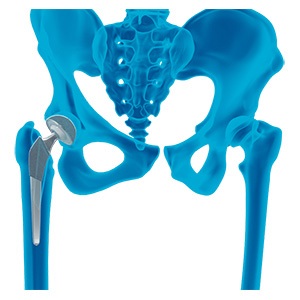
Primary hip replacement or hip arthroplasty is a surgical procedure in which the worn out or damaged parts of the hip joint are removed and replaced with artificial components called prostheses or implants that are made of metal, plastic, or ceramic. The main objective of the procedure is to relieve hip pain and restore normal range of motion and function to the hip joint when conservative treatment, such as medications, injections, and physical therapy have failed to provide desired results.
Hip Fracture Surgery
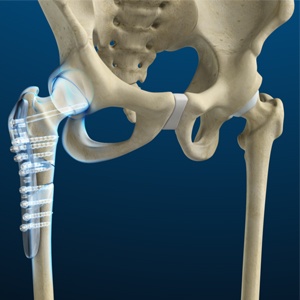
Hip fractures involve a break that occurs near the hip in the upper part of the femur or thigh bone. The thigh bone has two bony processes on the upper part - the greater and lesser trochanters. The lesser trochanter projects from the base of the femoral neck on the back of the thigh bone. Hip fractures can occur either due to a break in the femoral neck, in the area between the greater and lesser trochanter or below the lesser trochanter.

Rapid Recovery Hip Replacement
Rapid recovery hip replacement is an innovative and minimally invasive surgical procedure to replace a damaged hip joint with a prosthesis. It is associated with minimal post-operative pain and discomfort and a shorter recovery time. The surgery can often be performed as an outpatient procedure.
Hip Hemiarthroplasty
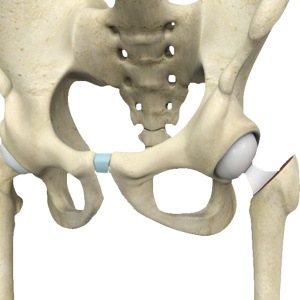
Hip hemiarthroplasty is a surgical technique employed to treat hip fractures. In this procedure, only one half (ball section) of the hip joint is substituted by a metal prosthesis. The hip joint is one of the body's largest weight-bearing joints and is the point where the thigh bone (femur) and the pelvis (acetabulum) unite. It is a ball and socket joint in which the head of the femur is the ball and the pelvic acetabulum forms the socket.
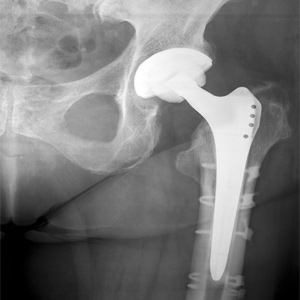
Periprosthetic Hip Fracture Management
Total hip replacement or hip arthroplasty is a surgical procedure in which the worn out or damaged parts of the hip joint are removed and replaced with artificial components called prostheses or implants.

Nonsurgical Hip Treatments
The hip is a ball-and-socket joint that connects the thigh bone to the pelvic bone. As a major weight-bearing joint with a wide range of motion, the hip is susceptible to various kinds of injuries. Hip problems may arise with overuse, acute trauma, degenerative diseases such as arthritis, and sports injuries. These conditions require appropriate treatment, which may be non-surgical or surgical. The non-operative orthopedic treatment options are usually the first line of treatment and include non-pharmacological and pharmacological interventions.

Physical Therapy for Hip
Physical therapy is an exercise program that helps you to improve movement, relieve pain, encourage blood flow for faster healing, and restore your physical function and fitness level. The main aim of physical therapy is to make your daily activities, such as walking, getting in and out of bed and climbing stairs, easier. It can be prescribed as an individual treatment program or combined with other treatments. Physical therapy is usually ordered to help you recover after certain surgeries, injuries and long-term health problems such as arthritis.